
Views: 0 Author: Site Editor Publish Time: 2025-12-18 Origin: Site


In today’s fast-paced logistics environment, optimizing warehouse operations is crucial for improving efficiency and reducing errors. One of the most significant innovations in warehouse logistics is the integration of industrial RFID technology, particularly UHF RFID gateways. These systems enable real-time tracking, automated processes, and a seamless flow of information, making them a key enabler of modern warehouse automation. Superisys (Wuhan) Intelligent Technology Co., Ltd. offers cutting-edge industrial RFID solutions that help businesses streamline their logistics operations, enhance inventory visibility, and boost operational efficiency. In this article, we will explore how UHF RFID gateways are revolutionizing warehouse logistics, and how companies can leverage this technology to improve their supply chain operations.
UHF RFID technology plays a vital role in transforming warehouse operations by enhancing automation and providing real-time inventory visibility. The ability to track items in real time allows businesses to streamline their workflows and significantly reduce manual labor.
One of the primary advantages of UHF RFID is the ability to automate inventory management. Traditional methods of inventory tracking, such as barcoding, often require manual scanning and can lead to errors or delays. With UHF RFID, items are automatically detected as they pass through readers installed at key points in the warehouse. This results in real-time inventory updates, reducing stock discrepancies and enhancing inventory accuracy. By automating inventory tracking, businesses can ensure that they always have accurate data on stock levels, order fulfillment, and location within the warehouse.
Manual inventory tracking is prone to human errors, which can lead to costly mistakes, including misplaced items, incorrect shipments, or missing stock. UHF RFID systems minimize these errors by automating the process of tracking and managing inventory. With automated data collection, the likelihood of errors is significantly reduced, which leads to faster and more accurate operations. Additionally, the ability to scan multiple items at once allows for a significant increase in throughput, as workers no longer need to scan individual barcodes manually.
As businesses scale, they often encounter challenges with traditional barcode systems. Barcodes require line-of-sight scanning, which can be time-consuming, especially in large warehouses with high volumes of items. UHF RFID systems, on the other hand, enable bulk scanning without the need for direct line-of-sight. This scalability makes RFID an ideal solution for growing warehouses and complex supply chains. UHF RFID gateways can handle large quantities of tags simultaneously, enabling smoother transitions from barcode systems to more efficient RFID-based workflows.
UHF RFID gateways are critical components of a modern RFID system. These systems are designed to capture and transmit data from RFID tags to backend systems, making them essential for optimizing warehouse logistics.
UHF RFID gateways typically consist of fixed readers and antennas placed at key entry and exit points in the warehouse. These readers capture data from RFID tags as items pass through the gateways, providing real-time updates to the system. The readers are connected to a central database or warehouse management system (WMS) to ensure that all inventory movements are tracked accurately. Reader doorway systems are ideal for managing the flow of goods through receiving areas, picking stations, and shipping docks, providing a seamless data exchange without the need for manual input.
The read rate of a UHF RFID system determines how quickly and accurately it can process data from RFID tags. UHF RFID systems are designed to read multiple tags simultaneously, which is particularly useful in high-volume environments like warehouses. The coverage area of the gateway is also an important consideration, as it ensures that items can be detected even in large areas. With high-speed data processing capabilities, UHF RFID gateways can handle thousands of items per second, making them ideal for environments where inventory moves quickly and accuracy is paramount.
UHF RFID gateways are designed to integrate seamlessly with warehouse management systems (WMS) and enterprise resource planning (ERP) systems. This integration allows for real-time data synchronization, ensuring that inventory data is always up-to-date. When a product passes through a gateway, the RFID reader captures the tag data and sends it to the WMS or ERP system, triggering automatic updates in the inventory database. This integration enhances the efficiency of warehouse operations and helps businesses maintain accurate records across all systems.
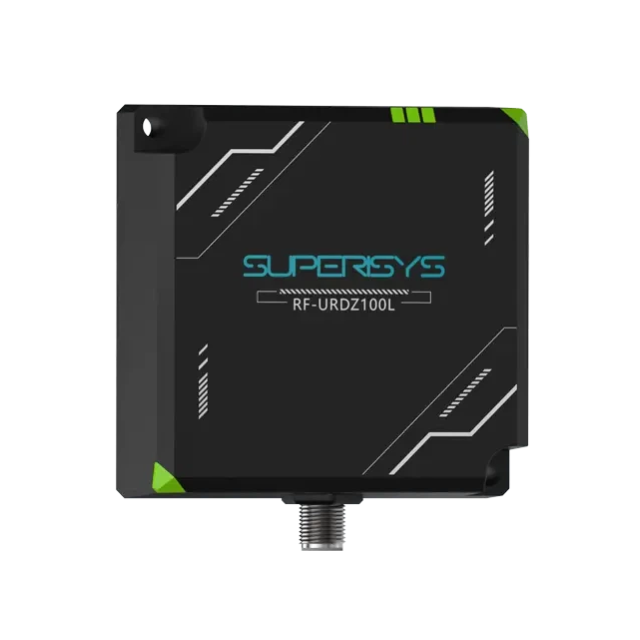
The implementation of UHF RFID technology offers numerous benefits for warehouse logistics, ranging from inbound receiving automation to shipping verification.
UHF RFID systems enable automated inbound receiving by quickly and accurately identifying items as they enter the warehouse. RFID tags on products are automatically read by UHF RFID gateways, eliminating the need for manual scanning and reducing the chances of errors. This automation speeds up the receiving process and ensures that items are logged into the system as soon as they arrive, allowing for more efficient stock management.
Tracking inventory within the warehouse is another significant benefit of UHF RFID systems. UHF RFID allows for precise tracking of items at the bin or shelf level, ensuring that products are stored in the correct locations. By automatically updating the system with every movement of goods, businesses can reduce the chances of misplaced items and improve the accuracy of stock levels. This level of visibility helps prevent stockouts and ensures that products are always available when needed.
Order fulfillment accuracy is critical in maintaining customer satisfaction and minimizing returns. With UHF RFID, warehouses can ensure that the correct items are picked for each order. RFID tags provide precise location data, making it easier to find products quickly and accurately. This not only speeds up the fulfillment process but also reduces the likelihood of shipping errors, improving overall customer service.
UHF RFID systems provide real-time verification of shipments as they leave the warehouse. By scanning RFID tags at the shipping dock, businesses can confirm that the correct items are being shipped to the right customers. This verification process helps reduce the risk of shipping errors and ensures that inventory records are updated promptly, keeping the supply chain running smoothly.
Deploying UHF RFID technology requires careful planning and technical consideration to ensure optimal performance.
One of the key factors in deploying UHF RFID systems is the density of tags and the placement of readers. In a warehouse setting, it is essential to ensure that there are enough readers to cover the entire area, and that tags are placed in such a way that they can be easily read by the system. Strategic placement of readers at key entry/exit points and in areas with high product movement ensures maximum coverage and read accuracy.
The configuration of antennas is another important consideration for RFID system deployment. Antennas should be positioned to ensure that RFID tags are within their optimal read range and that interference is minimized. Different types of antennas may be needed depending on the environment and the type of items being tracked, such as metal or liquid-based products.
Integrating UHF RFID systems with existing backend systems, such as warehouse management and enterprise resource planning software, is essential for ensuring smooth data flow and operational efficiency. Proper integration ensures that data captured by the RFID readers is accurately transferred to the appropriate systems, allowing for real-time tracking and seamless inventory management.
The adoption of UHF RFID technology in warehouse logistics has been shown to deliver significant returns on investment. Several businesses have reported dramatic improvements in operational efficiency, accuracy, and throughput after implementing RFID systems.
Many companies that have deployed UHF RFID gateways report improvements in inventory accuracy, faster processing times, and reduced operational costs. For example, a large logistics company that integrated UHF RFID into its operations saw a 25% reduction in inventory discrepancies and a 40% improvement in processing speed.
While the initial investment in UHF RFID technology can be significant, the long-term benefits often outweigh the costs. Businesses can achieve a substantial return on investment by reducing labor costs, improving inventory management, and minimizing errors. Additionally, the ability to scale RFID systems to meet the growing demands of a business ensures that the technology continues to provide value over time.
Incorporating industrial RFID gateways into warehouse operations is a game-changer for businesses looking to improve efficiency, accuracy, and scalability in their logistics processes. By automating inventory management, improving order fulfillment accuracy, and providing real-time visibility, UHF RFID systems offer measurable improvements that help businesses stay competitive in today’s fast-paced market. Superisys provides advanced industrial RFID solutions tailored to meet the needs of businesses across various industries. Contact us today to learn more about how our RFID systems can optimize your warehouse operations and transform your supply chain.
1. What are the main benefits of using UHF RFID in warehouse logistics?
UHF RFID enhances real-time inventory visibility, reduces errors, increases operational throughput, and improves order fulfillment accuracy, leading to more efficient warehouse operations.
2. How do UHF RFID gateways improve operational efficiency?
UHF RFID gateways automate inventory tracking, speed up receiving processes, and integrate seamlessly with warehouse management systems, reducing manual labor and improving accuracy.
3. Can UHF RFID systems work in large warehouses with high volumes of items?
Yes, UHF RFID systems are designed for high-speed, large-scale operations and can handle thousands of tags simultaneously, making them ideal for large warehouses and distribution centers.
4. What are the technical considerations for deploying UHF RFID systems in warehouses?
Key considerations include tag density, reader placement, antenna configuration, and integration with backend systems like WMS and ERP to ensure optimal performance.


