
Views: 257 Author: Site Editor Publish Time: 2025-12-12 Origin: Site


Industrial UHF RFID (Ultra High Frequency Radio Frequency Identification) systems have become a cornerstone of automation, asset tracking, and supply chain management in a variety of industries. The efficiency of these systems relies heavily on the "read rate," a crucial performance metric. The read rate determines how accurately and reliably the RFID system identifies tags within a certain area or range. For industrial applications, where precision and speed are critical, understanding and optimizing the read rate can significantly improve operations, reduce errors, and increase throughput. In this article, we will delve into the key factors that influence the read rate of industrial UHF RFID systems, explore techniques for measurement, and discuss best practices for optimization.
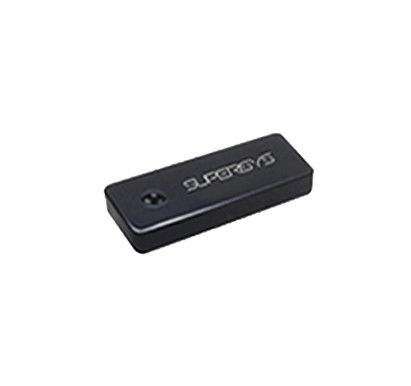
The "read rate" refers to the percentage of tags successfully read by the RFID system within a specific time frame or operational area. It is a measure of how well the RFID system is performing in terms of detecting tags placed within its range. In the context of industrial RFID systems, this metric is critical for ensuring operational efficiency and reliability.
The read rate is often expressed as the ratio of the number of successful reads to the total number of RFID tags that passed through the scanning area. For example, if an RFID system is set to scan 1,000 items and successfully reads 950 of them, the read rate is 95%.
A high read rate is essential in industrial environments, where RFID systems are used for asset tracking, inventory management, and workflow automation. Low read rates can lead to inventory discrepancies, operational delays, and data inaccuracies, affecting the overall efficiency of the system.
Several factors impact the read rate of industrial RFID systems, including hardware characteristics, environmental conditions, and the setup of the RFID infrastructure. Understanding these variables can help improve the read rate and ensure better performance of the system.
The placement and orientation of antennas are key elements influencing the read rate in industrial UHF RFID systems. Antennas must be strategically positioned to cover the intended scanning area efficiently. Poor placement can result in dead zones where tags are not detected, or in areas where read rates are lower than expected.
The optimal antenna placement depends on factors like the size of the area to be covered, the type of tags used, and the intended range. Antennas should be aligned to ensure they provide a broad coverage area and avoid blind spots. Adjusting the height, angle, and direction of the antenna can also significantly improve read rates.
The quality of RFID tags plays a crucial role in the read rate. Tags that are poorly manufactured or designed for different environments may have a lower read range, reducing the overall efficiency of the RFID system.
Industrial RFID tags are usually designed to be durable and resistant to environmental factors, but variations in materials, antenna types, and tag sizes can influence performance. The tag's orientation relative to the reader also affects how well it is read.
Tags with better signal strength and those designed specifically for challenging environments tend to perform better in terms of read rate. Additionally, tags with larger memory and higher quality components can deliver more accurate readings over a greater distance.
Environmental factors such as metal surfaces, liquids, temperature, and radio frequency interference can all affect the read rate of RFID systems. Industrial environments often present challenges, as materials like metal can distort radio signals, while liquids may absorb or reflect the signals, making it difficult for the reader to detect tags effectively.
Electromagnetic interference (EMI) from machines and other electronics can also disrupt RFID signals, causing inconsistent read rates. To overcome these challenges, manufacturers often incorporate shielding technologies and design RFID systems that can operate in environments with high interference.
To assess the effectiveness of an industrial UHF RFID system, it is important to measure the read rate accurately. This can be done by running a controlled test where a known quantity of RFID tags is passed through a scanning area. The system’s performance is evaluated based on the number of successful reads compared to the total number of tags that were within range.
There are several tools and software available to monitor the read rate in real-time. These tools can provide insights into the percentage of reads, the speed at which they are being detected, and the system’s overall efficiency. This data can be invaluable for diagnosing issues, optimizing performance, and ensuring consistent results.
Additionally, many RFID readers come with built-in diagnostics that track the read success rate, tag detection time, and other performance metrics. This information can be used to make informed decisions about how to improve the system.
Optimizing the read rate is crucial for maximizing the effectiveness of industrial RFID systems. Several strategies can be employed to improve the read rate, including hardware adjustments, software updates, and environmental control.
There are several advanced techniques that can help boost the read rate in industrial UHF RFID systems:
Polarization Matching: Matching the polarization of the RFID reader and tag antennas can improve the signal strength and read range.
Adaptive Read Power: Some RFID systems allow for adjusting the reader’s transmission power to match the tag’s range and reduce interference, thereby improving the read rate.
Reader Multiplexing: Using multiple readers at different angles can help cover larger areas and ensure that tags are read from all angles.
Software solutions can also play a significant role in optimizing read rates. Some RFID systems allow for real-time adjustments in the firmware to account for environmental conditions, tag quality, and other factors. Implementing algorithms that dynamically adjust to the system's performance can result in more reliable and consistent read rates.
Firmware updates can address issues such as signal interference, providing new features that allow for better detection in challenging environments. These updates help the system adapt to evolving conditions, ensuring optimal performance over time.
Achieving a consistent read rate can be challenging, especially in dynamic and complex industrial environments. Some common challenges include:
Interference from other electronic devices: Other industrial equipment can emit signals that interfere with RFID systems, resulting in decreased performance.
Multiple tag read issues: In dense environments where many tags are close together, RFID systems may struggle to read each tag individually.
Solutions to these challenges include:
Using anti-collision protocols to ensure tags are read sequentially.
Implementing shielding techniques to minimize interference.
Adjusting readers' power levels and using more advanced filtering techniques to reduce noise.
Industrial UHF RFID systems are widely used across various sectors, including manufacturing, logistics, and retail. Some key applications include:
Asset Tracking: RFID systems can track the movement of assets in a factory or warehouse, providing real-time visibility.
Inventory Management: RFID helps ensure accurate inventory counts and improves supply chain efficiency.
Automated Sorting: In logistics, RFID enables automated sorting of goods, improving throughput and reducing human error.
In each of these applications, a high read rate is critical for ensuring the RFID system performs reliably and efficiently.
Understanding the read rate of industrial UHF RFID systems is vital for maximizing the effectiveness of these technologies in industrial applications. Factors like antenna placement, tag quality, environmental conditions, and interference must all be considered when optimizing the system's read rate. Through proper measurement and optimization techniques, businesses can achieve a higher level of efficiency and accuracy in their RFID-driven processes.
By applying advanced strategies and continually fine-tuning the system, industries can ensure that their RFID systems perform at their best, enhancing productivity and reducing operational errors. The success of industrial RFID systems is directly tied to their read rate, making it a crucial focus for any organization looking to optimize their operations.
1. What is the ideal read rate for an industrial RFID system?
The ideal read rate depends on the application and environment, but a read rate above 95% is typically considered optimal for most industrial applications. In some cases, a read rate of 98% or higher is desired.
2. Can environmental factors like temperature affect the read rate of RFID systems?
Yes, extreme temperatures, interference from metals or liquids, and other environmental factors can reduce the effectiveness of RFID systems and lower the read rate.
3. How can I improve the read rate in a high-interference environment?
In high-interference environments, strategies such as using multiple readers, adjusting transmission power, or employing shielding techniques can help improve the read rate.
4. What role does tag quality play in the read rate of RFID systems?
Tag quality is critical to the read rate. High-quality tags with robust materials and better signal strength are more likely to be read consistently by the RFID system.
5. Are there software tools available to help monitor and optimize read rates?
Yes, many RFID systems come with software tools that track real-time performance metrics, allowing for adjustments and optimization to improve read rates.


