
Views: 0 Author: Site Editor Publish Time: 2025-12-25 Origin: Site


In industrial environments, especially in sectors such as railway equipment tracking, industrial RFID for railway equipment tracking plays a vital role in ensuring accurate and real-time asset management. One of the most crucial aspects that affect the efficiency and reliability of RFID systems is the "read rate." This term refers to the ability of RFID readers to identify and process multiple tags within a specified time frame. In high-density or fast-moving environments, a higher read rate ensures quicker processing times and minimizes the chances of errors. Superisys (Wuhan) Intelligent Technology Co., Ltd., as a leader in the RFID solutions industry, offers advanced UHF RFID technology that enhances the performance and reliability of systems used in railway equipment tracking. This article explores the key factors affecting read rates in industrial UHF RFID systems and the strategies to optimize them for better performance.
The read rate of an RFID system is influenced by several factors, each of which can impact the system’s efficiency in real-world applications. Understanding these components is essential for optimizing RFID performance, especially in environments like railway yards, where assets move quickly and need to be tracked accurately.
Tag density refers to the number of RFID tags that are within the reader's range at any given time. In a high-density environment, such as a busy railway yard, multiple tags may be in close proximity, which can challenge the RFID reader’s ability to accurately process all the tags. High tag density can lead to interference, where tags interfere with each other’s signals, resulting in delayed or incorrect reads.
Interference from external factors such as metal surfaces, liquids, or other RF signals can further impact the performance of the RFID system. Metal surfaces, in particular, can block or reflect signals, making it difficult for RFID readers to detect tags on metal components of railway equipment. UHF RFID systems, designed to operate at higher frequencies, are more susceptible to interference than lower-frequency systems, but they also offer longer read ranges and higher throughput, which is essential for high-speed environments.
The sensitivity of the RFID reader plays a critical role in its ability to detect and process signals from tags. A more sensitive reader can detect weaker signals, which is particularly useful in environments with high interference. However, a highly sensitive reader may also be more susceptible to noise, which can affect the accuracy of the read rate.
Processing speed is another key factor that affects read rates. RFID systems with faster processing capabilities can read tags more quickly, which is particularly important in fast-moving environments like railway yards. The ability to process a large number of tags in a short period improves operational efficiency, reduces bottlenecks, and allows for smoother workflows.
The frequency of the RFID system (such as UHF, HF, or LF) influences how far the signals can travel and how many tags can be read simultaneously. UHF RFID systems offer the highest read range and are typically used in industrial environments where long-range reading and high-speed throughput are required.
The protocol standard, such as EPC Gen2, also plays a role in determining how efficiently an RFID system can process data. These protocols define the communication rules between tags and readers, ensuring that the system operates at optimal speed and accuracy. Advanced protocol standards ensure that UHF RFID systems can process multiple tags quickly and without interference, which is crucial for real-time asset tracking in complex environments like railway yards.
Understanding the theoretical aspects of read rates is important, but real-world testing is crucial for evaluating the performance of RFID systems in industrial environments. In practice, RFID systems must be tested under various conditions to determine how well they perform.
One of the most effective ways to measure the read rate of an RFID system is by conducting tests in environments similar to those in which the system will be deployed. For example, in a warehouse or railway yard, RFID systems need to track assets that move quickly and are often stacked on pallets or moved by forklifts. The read rate can be tested by measuring how quickly the system identifies tags on moving pallets or assets, such as railway components being transported.
Testing the system with metal assets is also essential, as metal interference can significantly impact the read rate. RFID systems should be tested on a variety of metal surfaces to ensure that the tags can still be read accurately without any loss of data. Superisys’ metal-mount UHF RFID tags are specifically designed to handle the challenges of metal interference, ensuring reliable tracking in such environments.
Several tools and metrics can be used to measure the read rate of RFID systems in real-world conditions. One common metric is the number of tags read per second, which provides an indication of how quickly the system processes data. The read accuracy is another critical metric, as it indicates the percentage of tags that are correctly identified by the reader.
In addition, the coverage area of the RFID system is an important factor. A system that has a large coverage area can track more tags within a given space, reducing the need for multiple readers and improving overall efficiency. Tools such as signal strength meters and throughput analyzers can help assess the performance of RFID systems and identify areas for improvement.
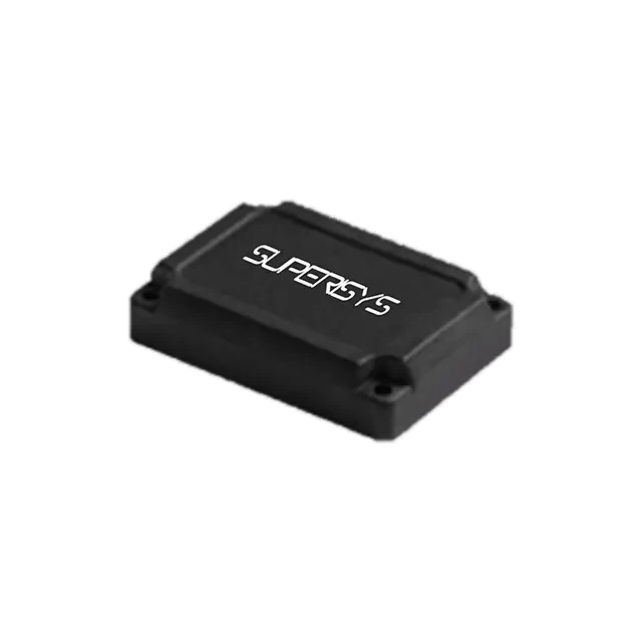
Several challenges can prevent RFID systems from achieving optimal read rates. These challenges must be addressed to ensure that the system operates efficiently and accurately.
Environmental noise refers to any interference that disrupts the RFID signal, such as electromagnetic interference from other equipment or environmental factors like humidity and temperature. In railway yards, external noise from trains, machinery, and electrical systems can disrupt RFID performance, leading to missed reads or slower processing times.
The placement of RFID tags plays a significant role in the read rate. Tags that are poorly positioned or obstructed by other objects may not be detected properly by the reader. For example, placing tags on moving parts, such as wheels or doors, may result in inconsistent reads. To maximize read rates, it is essential to place tags in positions that are easily readable by the RFID reader and to avoid any obstructions that might interfere with signal transmission.
As previously mentioned, metal surfaces and liquids can cause interference with RFID signals. Metal objects can reflect or absorb radio waves, making it difficult for the reader to detect the tags accurately. In environments where metal assets are prevalent, such as railway yards, special metal-mount RFID tags are required to mitigate this interference. Additionally, liquids can affect signal strength, requiring the use of specialized tags designed for wet environments.
There are several strategies that can be employed to optimize the read rate of RFID systems and overcome the challenges associated with high-density environments and interference.
One of the most effective ways to improve the read rate is by tuning the RFID antenna. Antenna placement and orientation can have a significant impact on the signal strength and coverage area. By adjusting the antenna’s position, the system can achieve a more consistent and reliable read rate. Antenna tuning helps optimize the system’s performance, particularly in environments with high metal content or interference.
The configuration of the RFID reader and its placement within the environment also affects the read rate. Readers should be positioned in areas with minimal interference and maximum coverage to ensure that they can detect tags from a wide range of angles. Proper reader placement ensures that tags are read accurately and consistently, improving overall system performance.
Choosing the right RFID tags for the environment is crucial for achieving optimal read rates. Tags that are designed for specific materials or applications, such as metal-mount tags for metal surfaces, provide better performance in challenging environments. The orientation of the tags also affects their readability. Tags should be positioned in a way that allows the reader to capture their signals from the most effective angles.
The read rate of an RFID system has a direct impact on operational efficiency, asset reliability, and data accuracy. Understanding and optimizing the read rate is essential for achieving a high return on investment (ROI) in asset tracking systems.
A higher read rate allows for faster processing of assets, reducing bottlenecks and improving the speed of operations. This is particularly important in high-traffic environments like railway yards, where assets need to be tracked and processed quickly. By improving the read rate, businesses can enhance operational efficiency and reduce the time spent on manual tracking and verification.
Optimizing the read rate improves the reliability of asset tracking systems. Accurate and consistent reads ensure that assets are properly identified and tracked throughout their lifecycle. This leads to better asset management, reducing the risk of misplacing or losing valuable equipment.
The accuracy of the data collected by the RFID system is directly influenced by the read rate. By ensuring that tags are read quickly and accurately, businesses can rely on the data to make informed decisions. This data-driven approach helps improve inventory management, maintenance scheduling, and overall operational decision-making.
Understanding and optimizing the industrial RFID for railway equipment tracking read rate is essential for ensuring reliable, accurate, and efficient asset tracking in high-density environments like railway yards. By addressing factors such as tag density, interference, and reader configuration, businesses can improve their read rates, leading to enhanced operational efficiency, better asset management, and a higher return on investment. Superisys offers advanced UHF RFID solutions designed to meet the specific needs of the railway industry, ensuring optimal performance and reliability. Contact us today to learn more about how our RFID systems can optimize your asset tracking and improve operational efficiency.
1. What is the read rate of an RFID system?
The read rate refers to the speed at which an RFID reader can detect and process tags. A higher read rate ensures faster processing times and more accurate tracking.
2. What factors affect the read rate of an RFID system?
Tag density, reader sensitivity, frequency, and environmental interference all play a role in determining the read rate of an RFID system.
3. How can I improve the read rate in my RFID system?
Improving antenna tuning, optimizing reader configuration, and selecting the right RFID tags can significantly improve the read rate of your system.
4. Why is read rate important for asset tracking?
A high read rate improves operational efficiency, asset reliability, and data accuracy, leading to better decision-making and more efficient asset management.


