
Views: 0 Author: Site Editor Publish Time: 2025-12-19 Origin: Site


Tracking railway equipment presents a unique set of challenges due to the demanding environments, metal surfaces, and the need for real-time data accuracy. Industrial RFID for Railway Equipment Tracking offers a robust solution to these challenges, ensuring that critical assets such as rolling stock, components, and tools are efficiently tracked and monitored. At Superisys (Wuhan) Intelligent Technology Co., Ltd., we provide cutting-edge industrial RFID solutions that are specifically designed to meet the rigorous demands of the railway industry. In this article, we explore how metal-mount UHF RFID tags are used to overcome the challenges in railway equipment tracking, improving reliability and operational efficiency.
Railway asset tracking is a critical component of modern rail operations, but it comes with several unique challenges that must be addressed to ensure smooth and efficient operations.
Railway assets are frequently exposed to harsh environments, including extreme temperatures, vibrations, dust, moisture, and exposure to the elements. These conditions make it difficult for traditional tracking technologies, such as barcode labels or passive RFID tags, to function effectively. The constant wear and tear on equipment also complicate the tracking process, making it essential to use a technology that is durable and reliable under such conditions.
One of the biggest challenges in railway equipment tracking is the presence of metal surfaces, which can interfere with radio frequency (RF) signals. Since most railway equipment, such as tracks, rolling stock, and containers, are made of metal, the RFID signal can be blocked or reflected, causing read errors or weak signals. This issue makes traditional RFID systems less effective in these environments, especially when it comes to accurately reading tags mounted on metal surfaces.
In the railway industry, ensuring high safety standards and maximizing uptime is critical. Any downtime or delay in identifying and maintaining equipment can lead to costly delays, safety risks, and reduced operational efficiency. As such, a reliable and fast tracking system is essential to avoid such issues. Industrial RFID for Railway Equipment Tracking offers a solution that ensures assets are continuously monitored, allowing for timely maintenance and swift identification of potential issues before they become problems.
Metal-mount UHF RFID tags are designed to overcome the challenges posed by metal interference and harsh environmental conditions. These specialized RFID tags are specifically engineered to work effectively on metal surfaces, making them ideal for use in the railway industry.
Metal-mount UHF RFID tags are equipped with advanced design features that allow them to function on metal surfaces, which typically block or distort RF signals. These tags are made using materials that can reflect and refocus the radio waves to ensure optimal signal strength and reliable communication between the tag and the reader. This unique design ensures that the tags perform well even when attached to the metal components of railway assets.
One of the main advantages of metal-mount UHF RFID tags is their durability. These tags are built to withstand harsh conditions, including exposure to extreme temperatures, vibrations, and moisture. Additionally, they feature anti-interference technology that helps minimize the effects of metal surfaces on the RF signal. This makes them highly reliable in environments where other RFID systems might fail due to interference or environmental damage.
Metal-mount UHF RFID tags are designed to operate in a wide range of temperatures, from -40°C to +85°C, making them suitable for use in the extreme weather conditions commonly found in the railway industry. These tags are also resistant to chemicals, dust, and water, ensuring that they remain functional and readable throughout the lifecycle of the equipment they track.
Metal-mount UHF RFID tags are a powerful tool for improving the tracking of railway equipment. By providing real-time data on asset location, condition, and usage, these tags help streamline operations and improve maintenance practices.
One of the primary uses of industrial RFID for railway equipment tracking is to monitor the condition and location of rolling stock components, such as locomotives, freight cars, and passenger trains. RFID tags can be attached to critical components to ensure that they are regularly tracked and maintained. This helps prevent unexpected breakdowns and improves overall asset management by providing detailed data on each component’s usage and condition.
Maintaining railway equipment and tracking its lifecycle is crucial for ensuring safety and minimizing downtime. Metal-mount UHF RFID tags provide a means to monitor equipment history, including maintenance schedules, repairs, and replacements. This data helps operators stay ahead of potential issues and ensures that assets are serviced promptly, extending their useful life and improving the safety of rail operations.
Tracking the real-time location of railway assets within yards and depots is essential for efficient operations. UHF RFID tags can be used to automatically track the movement of trains, freight cars, and other equipment in real time. This allows operators to optimize the movement of assets, reduce congestion in depots, and ensure that equipment is in the right place at the right time.
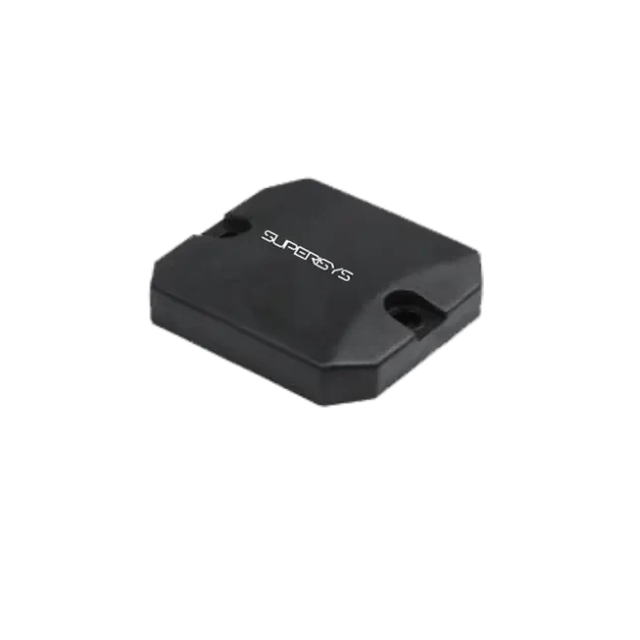
Metal-mount UHF RFID tags significantly enhance the reliability of railway equipment tracking by overcoming the challenges posed by metal interference and harsh environments.
Unlike traditional RFID tags, metal-mount UHF RFID tags are designed to function optimally on metal surfaces, providing improved read rates. This ensures that even when tags are attached to metal parts of railway equipment, they can still be accurately read by RFID readers. The improved read rates ensure that the system operates efficiently, even in challenging conditions.
Traditional RFID systems often experience false reads when metal surfaces distort the RF signal. Metal-mount UHF RFID tags mitigate this issue by using specialized designs and anti-interference technology to reduce the occurrence of false reads. This ensures that only the correct data is transmitted, improving the overall accuracy of the system and reducing the likelihood of errors in tracking.
By using metal-mount UHF RFID tags, railway operators can gain more accurate data on the lifecycle of their equipment. These tags provide real-time information on the location, condition, and maintenance history of assets, helping operators make data-driven decisions about when to service or replace equipment. This enhanced data accuracy leads to better resource management and improved operational efficiency.
To ensure the successful implementation of industrial RFID for railway equipment tracking, it’s important to follow best practices for deployment. By carefully planning the placement of tags and readers, and integrating the system with asset management tools, railway operators can achieve optimal results.
The placement of metal-mount UHF RFID tags on railway equipment is crucial to ensuring reliable communication with readers. Tags should be placed in locations that are easily accessible for readers while avoiding areas where the RF signal may be obstructed or weakened. For example, tags can be placed on the sides or undercarriages of trains, where they are less likely to be affected by environmental factors.
A well-designed reader network is essential for ensuring that RFID tags are read consistently and accurately. Readers should be positioned at key locations throughout the rail yard, depot, and along tracks to ensure that assets are tracked as they move. The network should also be designed to minimize interference from environmental factors such as metal surfaces or other RF sources.
Integrating industrial RFID for railway equipment tracking with existing asset management systems is critical for maximizing the value of the technology. By linking RFID data with a central asset management platform, operators can gain a holistic view of their equipment’s status, location, and lifecycle. This integration allows for seamless data flow, enabling operators to make more informed decisions and improve overall efficiency.
Industrial RFID for Railway Equipment Tracking provides a powerful and reliable solution for managing the lifecycle, maintenance, and location of railway assets. Metal-mount UHF RFID tags offer unparalleled performance in harsh environments, overcoming challenges such as metal interference and extreme conditions. By leveraging this technology, railway operators can improve asset tracking accuracy, reduce maintenance costs, and enhance safety standards. Superisys is a leading provider of industrial RFID solutions, offering advanced RFID tags and systems tailored to the specific needs of the railway industry. Contact us today to learn more about how our RFID solutions can help optimize your railway operations.
1. How do metal-mount UHF RFID tags work on metal surfaces?
Metal-mount UHF RFID tags are designed with specialized materials that allow them to function effectively on metal surfaces by reflecting and focusing radio waves, ensuring reliable communication.
2. What are the benefits of using RFID in railway asset tracking?
RFID technology provides real-time tracking, enhances maintenance data accuracy, and improves operational efficiency by automating asset management and monitoring.
3. Can UHF RFID tags be used in harsh environments?
Yes, metal-mount UHF RFID tags are specifically designed to withstand harsh environments, including extreme temperatures, moisture, and exposure to chemicals, making them ideal for use in the railway industry.
4. How can RFID data be integrated with asset management systems?
RFID data can be integrated with existing asset management systems through backend software, allowing for seamless tracking, maintenance scheduling, and real-time monitoring of equipment.


